 Research
How to read a pitch report before the toss
Surface, dew, square-turn probability and a small example of how a “good batting pitch” actually plays under lights.
Read the guide →A team-by-team read of an IPL sign-up offer, trial credit or stadium-day promotion — eligibility, expiry, redemption, exclusions and out-of-pocket cost lined up against the XI you actually want to play. Examples are hypothetical; no current offer, code, price or expiry is described.
Every guide below is a standalone brief: evidence-led, dated, and updated when the underlying match, squad or rule changes.
How we frame a contest from pitch note to captain choice.
Read more →Fixture-led projections with timestamps and verification status.
Read more →Pre-toss checklist vs. confirmed-XI revision path.
Read more →Floor and ceiling frames for every role and contest size.
Read more →Worked examples for catch, six, economy and multiplier.
Read more →Beginner journey from eligibility to first review.
Read more →Fixtures, venues, tactical themes and role notes by team.
Read more →Role profiles, squad depth and opportunity index.
Read more →Independent assessment with dated verification.
Read more →
A simple six-step path that you can run before every contest. Each step is small enough to do on the train, big enough to change your lineup.
Captain, dew factor, batting order — not just the XI names.
Boundary size, average first-innings score and recent trend.
Opener, anchor, finisher, powerplay bowler, middle-overs spinner, death bowler.
Floor, ceiling, contest size and ownership context.
What if the opposition bowl first? What if dew arrives late?
Confirm XI, then revise within the substitution window.

Most selection mistakes come from skipping one of these. A short list you actually run beats a long checklist you don’t. The order matters: toss context → venue → role → captain → stress-test → lock.

A worked example: a top-order batter, a powerplay seamer and a death-overs spinner in the same match, with the same fantasy multiplier. Use these to translate a real-world performance into a fantasy total before you lock your team.
| Player | Action | Base points | Multiplier | Total |
|---|---|---|---|---|
| Top-order batter | 34 runs off 28 balls + 1 four | 34 + 4 (boundary) = 38 | ×1 | 38 |
| Powerplay seamer | 4-0-22-2 (economy 5.5) | 50 (2 wkts) + 4 (dot bonus) = 54 | ×1 | 54 |
| Death-overs spinner | 3-0-19-1 + 1 catch | 25 (1 wkt) + 8 (catch) = 33 | ×2 (captain) | 66 |
| Anchor batter (VC) | 41* off 39 balls + 1 six | 41 + 6 (six) = 47 | ×1.5 (vice) | 70.5 |
These are not headlines from elsewhere. Each guide is researched, written and edited by the desk, then updated when an underlying fact changes.
Research
Surface, dew, square-turn probability and a small example of how a “good batting pitch” actually plays under lights.
Read the guide → Captaincy
When to chase ceiling, when to defend floor, and why ownership shifts the math in 10,000-entry contests.
Read the guide → Platform
A dated, evidence-led assessment of the operator, the app, withdrawals and KYC, with explicit gaps.
Read the guide →The same lineup, two different realities. Below is what we change when the captain flips the coin.
You know the likely XI and the venue. You build around the strongest role, not the loudest name.
The same match can flip 30–40 fantasy points per slot. Here is how a captain who bowls first changes the math.
Use this block as your pre-deadline checklist. Status flips to “confirmed” once the official XI is announced.
| Check | Status | Source | What changes |
|---|---|---|---|
| Playing XI | Provisional | Operator / social posts | Final XI after toss; update slot 11 |
| Role changes | Watch | Recent series pressers | Anchor slot, death overs |
| Weather & dew | Pre-match | Local forecast | Bowling order, captain choice |
| Pitch note | Pre-match | Curator / reporter | Powerplay intent, total |
| Batting order | Provisional | Recent series card | Captain multiplier target |
| Substitution window | Open | Operator rules | Swap injured player pre-deadline |
Captain choice is the decision that swings the most points in any fantasy lineup. Below is how we frame it for small leagues (defend floor) and large fields (chase ceiling).
Pick the role with the most stable contribution — not the highest ceiling. The variance of a high-ceiling pick costs more in a small pool than the upside pays back.
Chase ceiling and target differential ownership. A 5% differential captain can pay for ten “safe” lineups combined.
Recent innings only. Sample size and date range shown. Don’t generalise from three matches.
| Venue | Matches | Avg 1st innings | Avg 2nd innings | Notes |
|---|---|---|---|---|
| Wankhede, Mumbai | 10 | 178 | 164 | Dew factor: high; chase advantage |
| Chinnaswamy, Bengaluru | 10 | 194 | 181 | High boundary count; batting paradise |
| Eden Gardens, Kolkata | 10 | 172 | 165 | Spinners in middle overs |
| Narendra Modi, Ahmedabad | 10 | 167 | 159 | Two-paced surface; new ball dominates |
| Arun Jaitley, Delhi | 10 | 175 | 168 | Even contest; toss less decisive |
A single six looks like six runs. In fantasy scoring it can be a boundary bonus, a strike-rate bonus, a captain multiplier and a team-impact multiplier all at once.
Six runs + boundary bonus + powerplay strike-rate bonus + (often) captain multiplier. On a 4-over powerplay player, a single six can move your total by 12–18 points.
A wicket in the death overs is worth more than one in the powerplay: wicket bonus + dot-ball bonus + death-overs bonus on most scoring systems. Sample: 25 base + 4 dot + 8 death = 37 base, then multiplier.
This block is a deliberate alternative to glossy “expert reviews”. Every line is paired with a verification date and a source where one exists. Where it does not, we say so.
| Topic | Status | Verification | What may change |
|---|---|---|---|
| Operator identity | Provisional | Public sources only | Update when registry data confirms |
| App availability | Provisional | Operator domain / store links | App store policy changes |
| State eligibility | Verified list | Operator’s terms page | State regulation updates |
| KYC documents | Standard list | Operator help centre | Periodic KYC review cycles |
| Withdrawal method | Provisional | User-reported + operator terms | Operator policy updates |
| Customer-care routes | Provisional | Operator help page | Channel availability |
| Bonus / referral code | Watch | No active verified offer | Promotional cycles |
Indian fantasy-cricket regulation is state-by-state. Below is the public picture as of our last check — always confirm in the operator’s terms before signing up.
Most operators permit paid contests in the larger states, with a few exceptions. Confirm per operator:
A small set of states currently restrict paid fantasy contests. Rules change — verify before you play:
The legal status of paid fantasy contests is genuinely complicated and varies by state, by game type and by operator. We point you to the operator’s own terms page and to the relevant state government publications. We do not invent jurisdiction verdicts. For the deeper read, see Legal Status.
Affiliate dashboards and operator banners are not a source. We list a current offer only when it appears on the operator’s own official page with terms attached.
| Offer type | Status | Where to verify | Action |
|---|---|---|---|
| Welcome bonus | Could not verify today | Operator terms / in-app banner | Do not assume a figure before sign-up |
| First-deposit match | Could not verify today | Operator help centre | Read wagering requirement before deposit |
| Referral code | Operator-managed | Operator referral page | Use only from a verified source |
| Promo code | Operator-managed | Operator promo page | Verify expiry before use |
A clean withdrawal depends on KYC timing, bank account match and a documented request. The block below is what we ask the operator to verify at signup, not at withdrawal.
Get these right at signup so withdrawal is not blocked later:
Most withdrawal rejections we hear about come from one of these:
Responsible play: Fantasy cricket involves real-money risk where permitted. Play only if you are 18+, located in a permitted state and able to absorb the loss. Set a deposit limit, take a weekly review, and seek help if it stops being fun. See Responsible Play for state helplines and self-exclusion notes.
Short, evidence-led reads published in the last few weeks. Each one is updated when an underlying fact changes.
IPL TeamsA team-by-team read of an IPL sign-up offer, trial credit or stadium-day promotion — eligibility, expiry, redemption, exclusions and out-of-pocket cost lined up against the XI you actually want to play. Examples are hypothetical; no current offer, code, price or expiry is described.
Read the explainer → Coaching News
The ECB has named Stephen Fleming as England men’s Test cricket head coach from December 2026, with Marcus Trescothick interim for the Pakistan series. The decision has split opinion because Fleming has never coached a red-ball side and is a close friend of the man he is replacing, Brendon McCullum.
Read the news brief → IPL News
Mohammad Amir says he does not yet know whether he will play in the IPL after acquiring British citizenship on 3 August 2026 through his wife Narjis Khan, while confirming a PSL overseas-player role from the 2027 season.
Read the news brief → How to Play
A practical evergreen framework for comparing eligibility, verification, expiry, redemption, out-of-pocket cost, exclusions and cancellation before using a fantasy offer.
Read the explainer → Points System & Offers
Two fantasy offers can show the same headline percentage and mean two very different things. A points-first decision framework for eligibility, expiry, redemption path, wagering, exclusions and cancellation — with examples clearly labelled as hypothetical and no live offer described.
Read the explainer → IPL & Offers
Two IPL offers can show the same headline percentage and mean two very different things. A decision framework for eligibility, expiry, redemption path, wagering, exclusions and cancellation — with examples clearly labelled as hypothetical and no live offer described.
Read the explainer →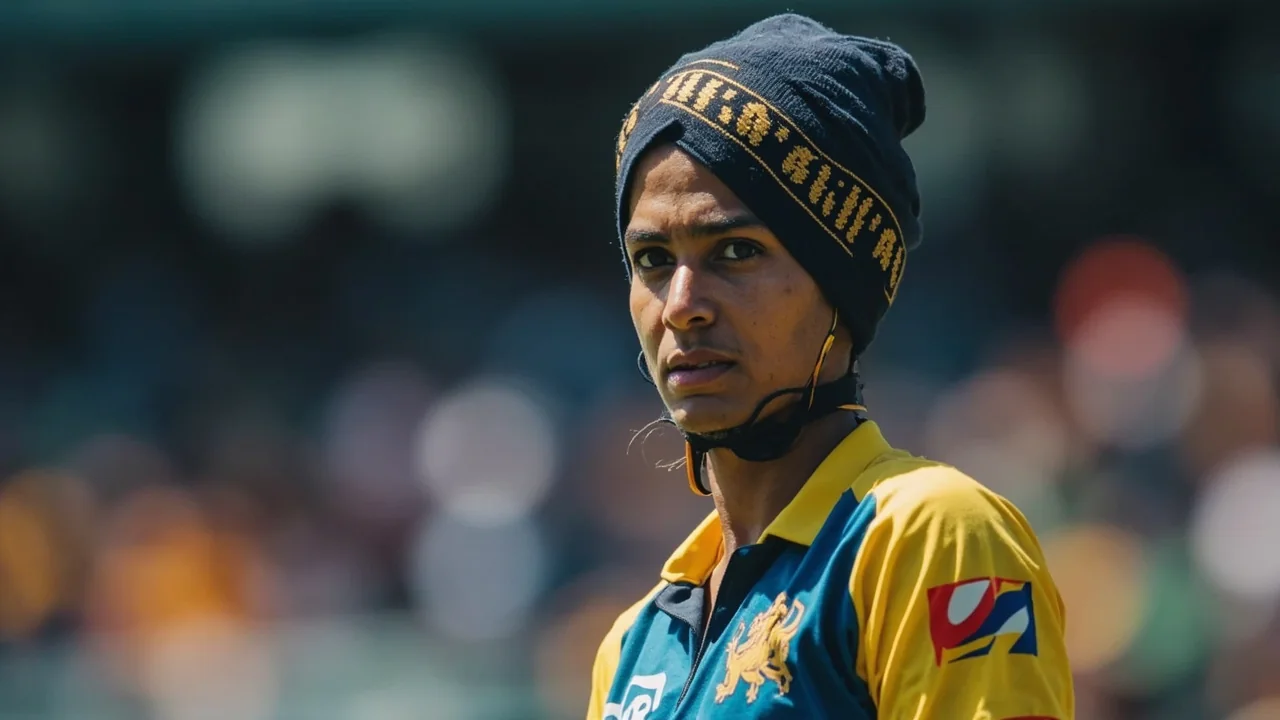 Women’s Cricket
Sri Lanka Women take the T20I series 2-0 and the ODI series 2-1 over Pakistan — their first bilateral series win over Pakistan in twelve years — led by Imesha Dulani’s hundred and a Player-of-the-Match debut from 17-year-old Sanjana Kavindi.
Read the news brief →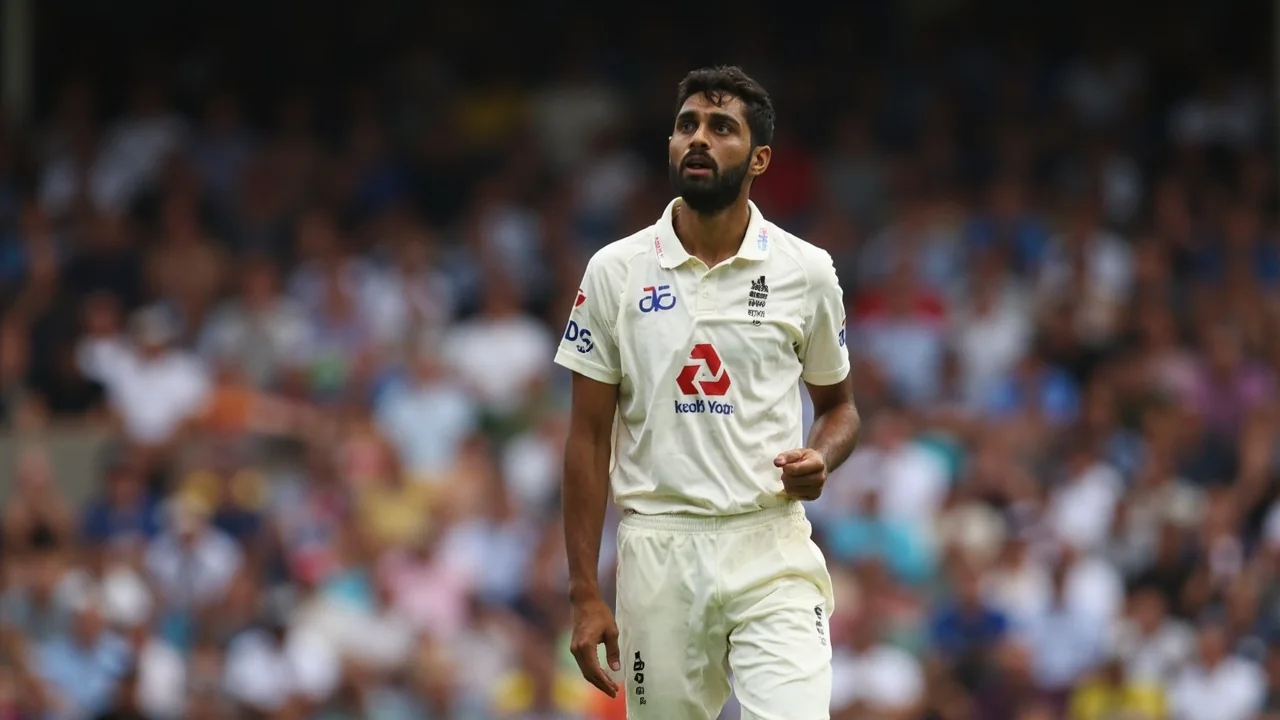 County News
India left-arm spinner Manav Suthar returns to Edgbaston for Hampshire (2 Sep), Glamorgan, Essex and Leicestershire after an 11-wicket, two-match stint including a five-for. Fantasy users: re-rank him as a middle-overs ceiling, hold if you own him, watch the Hampshire pitch.
Read the news brief → IPL News
Shashank took his NOC to Puducherry as a guest player for 2026-27 after Chhattisgarh told him he was seen as an IPL-only player. Fantasy users: hold the slot, re-rank as an all-rounder, watch the third guest-player announcement.
Read the news brief →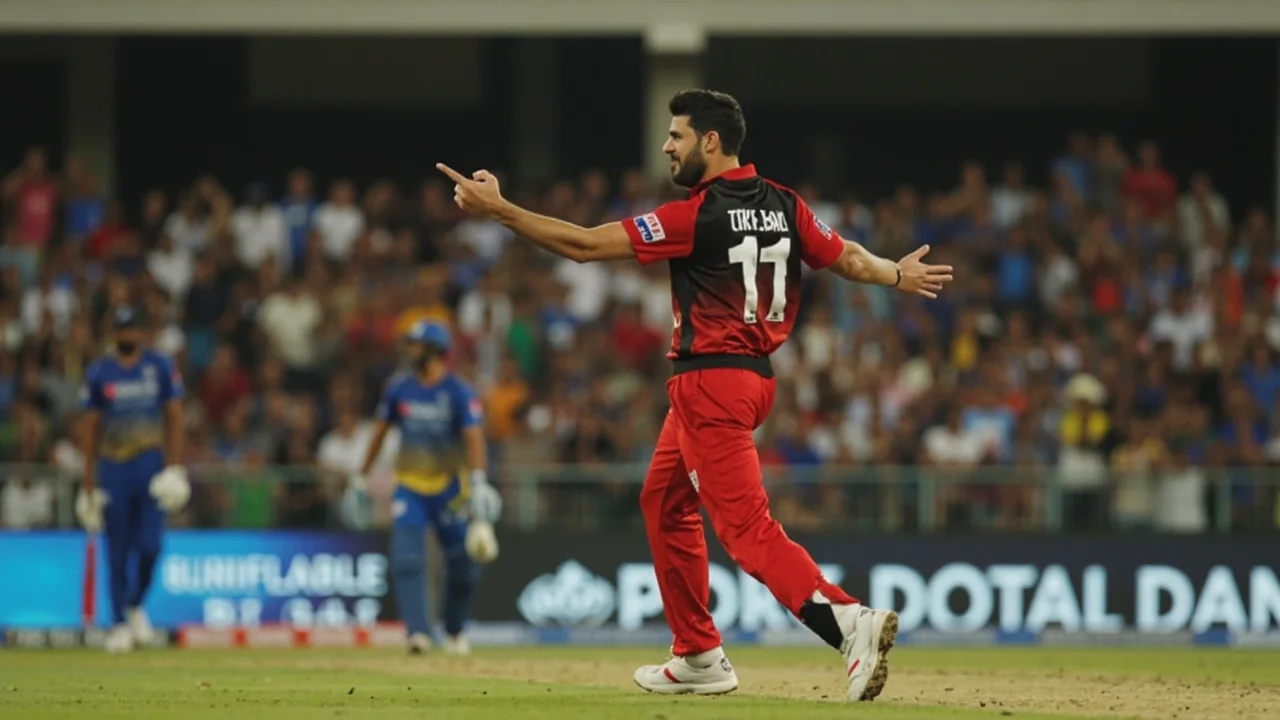 IPL News
Markram told Cricinfo he has not thought about the LSG captaincy, leaving the call to the franchise. Fantasy users: hold the opener slot, re-rank the bowlers, wait for confirmation.
Read the news brief → Research
How to translate a squad you have not watched into role-by-role opportunity.
Read the guide → Process
Why we publish the date an error was corrected and the date it was reported.
Read the guide → Selection
Over-weighting recency, ignoring venue and chasing ceiling in small leagues.
Read the guide →
We collect the questions readers send in. Each answer is a deliberate paragraph, not a link farm.

Chase ceiling and target differential ownership. A 5% differential captain beats a 30% popular captain in large fields roughly two contests out of three — provided you have set the rest of the lineup to defend floor.
Last match is one data point, not a trend. Use it as a confirmation signal, not a primary driver. Role, venue and opponent matter more than the most recent innings.
Over-weighting recency. They pick the players who scored last night and forget the players who scored for six straight matches before that. Trend > last match.
No. Nobody can. If anyone does, treat that as the strongest signal that the source is not editorial. Variance is real; sample size is what flattens it.
Start with Cricket Research for the methodology, then How to Play if you have never built a lineup before.
Open the editorial app entry, verify the current offer in your own account, and play only what you can afford to lose.